Why is Trap-Neuter-Release (TNR) Important?
Published 07/16/2025 by Caroline Aro
Did you know that there are an estimated 60 – 100 MILLION stray and feral cats in the United States? On top of that, only about 85% of pet cats are spayed or neutered.
There are so many reasons why Trap-Neuter-Release (TNR) is such an important practice and is an effective, humane approach for improving the lives of stray and feral cats.
But first of all, what even is Trap-Neuter-Release (TNR)?
Trap-Neuter-Release, also sometimes referred to as Trap-Neuter-Return and abbreviated as TNR, is tactic to manage stray and feral cats, to reduce their numbers and to improve their quality of life. Stray or feral cats often live in communities called “colonies”. These cats are carefully and humanely trapped and brought to a veterinarian to be spayed/neutered. They also receive other basic healthcare during this visit and are ear-tipped. Ear-tipping is a safe and humane procedure that is widely recognized as a sign that a cat has been spayed/neutered and vaccinated. It’s easy to tell at a glance or at a distance if a cat’s ear is tipped and is a good way to avoid unnecessary stress, capture, confinement or even euthanasia.
Once the cats have recovered from surgery, they are usually returned back to their colonies. These colonies are typically monitored by a caretaker to provide regular food and water. In some instances, younger kittens or friendly adult cats are placed in foster homes or are adopted into their forever homes.
So, let’s go back to the importance and steps of this practice:
- TRAP: A lot goes into the first step of TNR such as preparing for the actual “trapping” but also educating the community about feral cats, stray cats and the TNR process. During this step, colony cats are carefully caught using humane traps.
- NEUTER: The captured cats are brought in for veterinary care – they are spayed/neutered and typically will receive basic medical care and vaccines as well.
- RELEASE: Once these cats have recovered from their surgeries, they are returned to their original territories. Colonies are usually looked after and kept up by volunteers who provide fresh food, water and shelter.
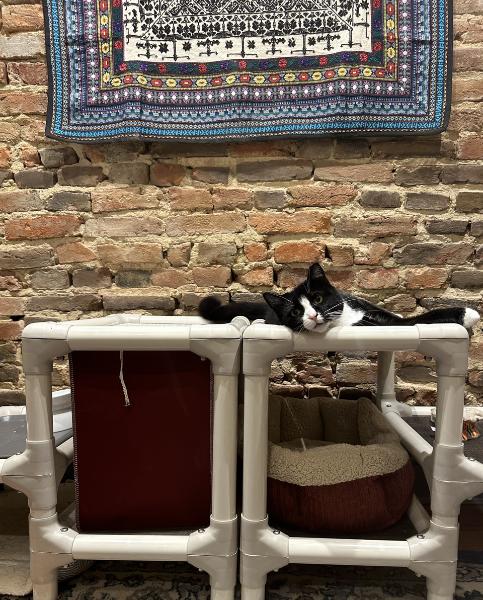
P.S. Since we’re talking about TNR, I had to take the opportunity to introduce you to my cat, Fish! I adopted Fish from a local TNR group in 2019 and she’s been the feline light of my life ever since.